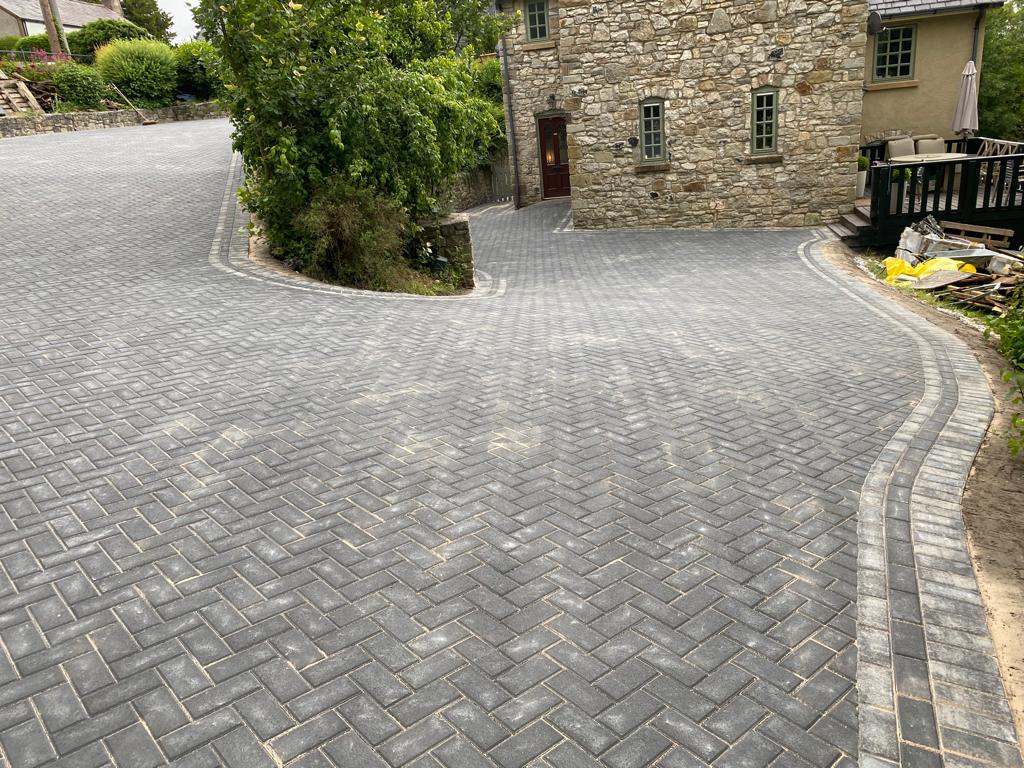
Norwich winters can turn smooth driveways into dangerous slip hazards. Ice formation on concrete, tarmac, and block paving creates serious safety risks for homeowners and visitors.
Several surface treatments and installation choices can dramatically improve winter traction. Understanding these options before installation saves money and prevents accidents.
Before You Start: Key Considerations
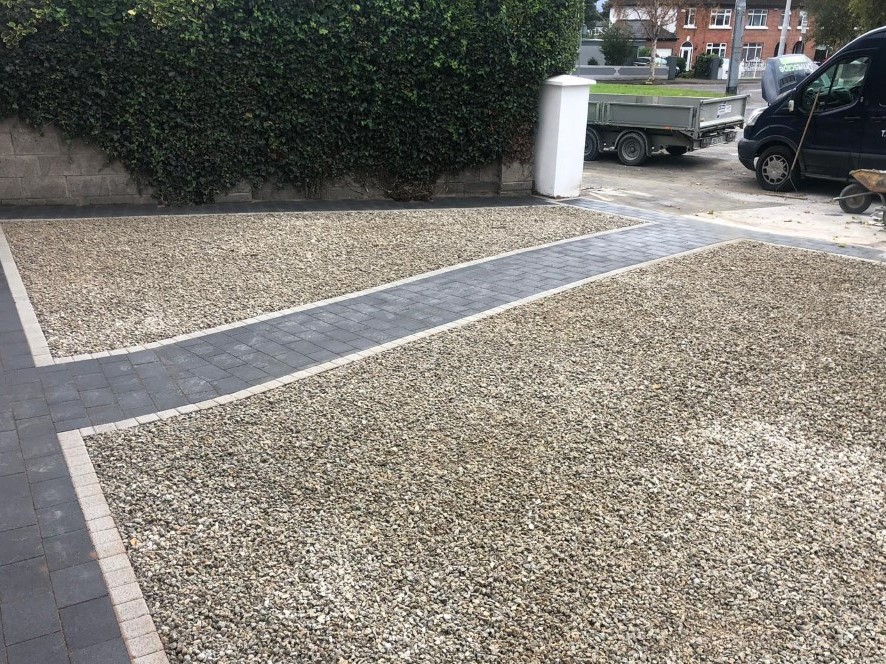
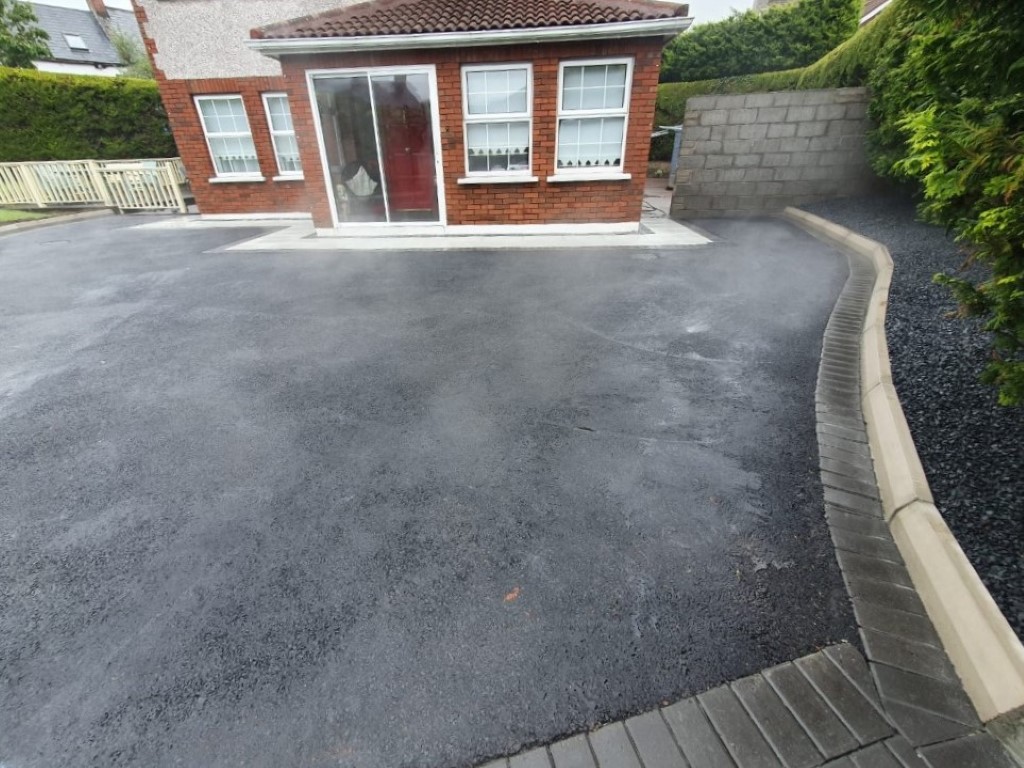
Planning your driveway requires careful thought about materials, drainage, and local regulations. Professional installers typically recommend obtaining proper permits before beginning any excavation work.
Assess your driveway’s current gradient and drainage patterns. Steep slopes and poor drainage create more ice formation problems than level, well draining surfaces.
Consider your household’s winter usage patterns. Families with elderly members or frequent visitors may need more aggressive anti slip solutions than occasional users.
- Check local planning requirements for textured surfaces
- Evaluate budget for ongoing maintenance treatments
- Consider vehicle types using the driveway regularly
- Assess surrounding landscape and shade patterns
Anti Slip Surface Options
Exposed aggregate concrete provides excellent natural grip through embedded stones. The textured surface offers superior traction without requiring additional treatments.
Resin bound surfaces incorporate anti slip aggregates during installation. These create permanent texture whilst maintaining attractive appearance and easy cleaning.
Textured block paving uses specially designed blocks with raised patterns. The surface channels water away whilst providing multiple grip points for tyres and footwear.
Treatment Solutions for Existing Driveways
Anti slip coatings can transform smooth surfaces into safer winter options. These professional treatments bond permanently to concrete, tarmac, and stone surfaces.
Aggregate broadcasting involves applying specialised sand or grit during surface installation. This creates long lasting texture without compromising the driveway’s structural integrity.
- Polyurethane anti slip coatings for concrete surfaces
- Resin based treatments for tarmac driveways
- Mechanical texturing for existing stone surfaces
- Aggregate seeding during fresh installations
Questions for Your Contractor
Ask about warranty coverage for anti slip treatments. Professional applications should include guarantees against premature wear or effectiveness loss.
Request samples of proposed textured surfaces. Different aggregates and treatments provide varying levels of grip and visual appearance.
- What anti slip options suit my driveway material and gradient?
- How long do different treatments maintain effectiveness?
- Will textured surfaces affect cleaning and maintenance requirements?
- Can anti slip solutions be added to existing surfaces?
- What ongoing maintenance keeps treatments working properly?
Professional contractors should demonstrate previous anti slip installations and provide references from Norwich customers who experience similar winter conditions. They should also understand SuDS requirements for proper drainage compliance to prevent water pooling and ice formation.