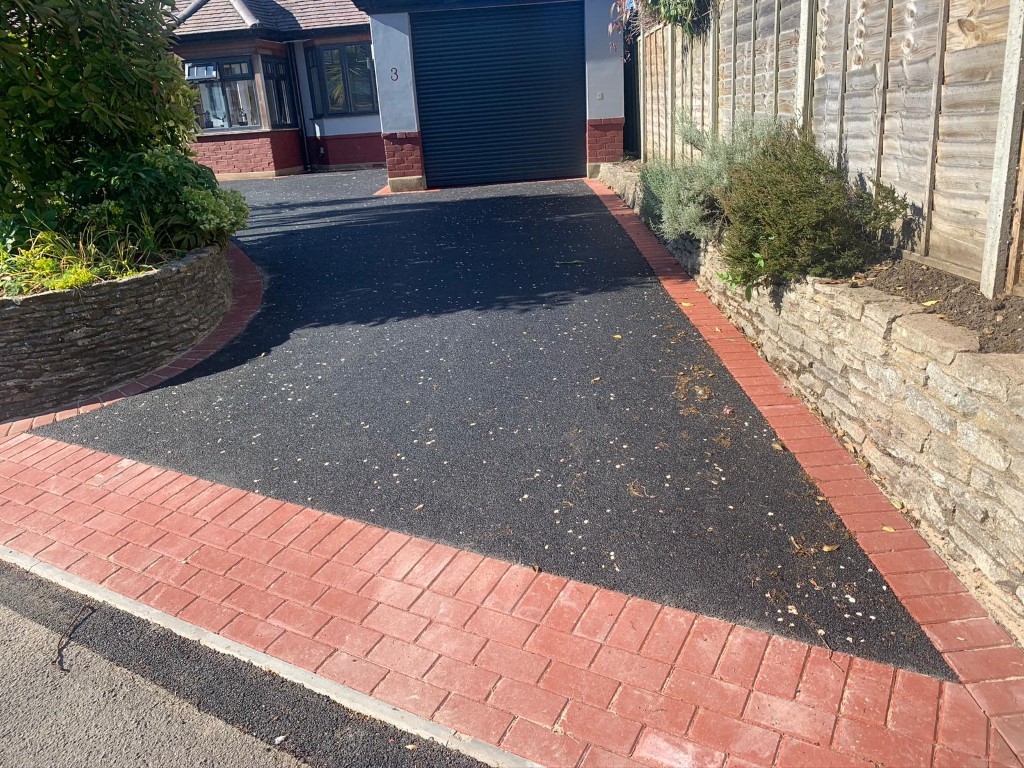
After thirty years installing driveways across Norwich, I’ve seen countless homeowners caught off guard by sustainable drainage requirements. The rules around SuDS (Sustainable Drainage Systems) can make or break your project, and many contractors still don’t fully grasp them.
If your new driveway covers more than five square metres, you’ll need to manage surface water runoff. This isn’t just good practice anymore, it’s a legal requirement under permitted development rights. The water cannot flow onto public highways or neighbouring properties. Expert drainage contractors can help ensure compliance with these regulations.
Permeable Surface Options for Norwich Properties
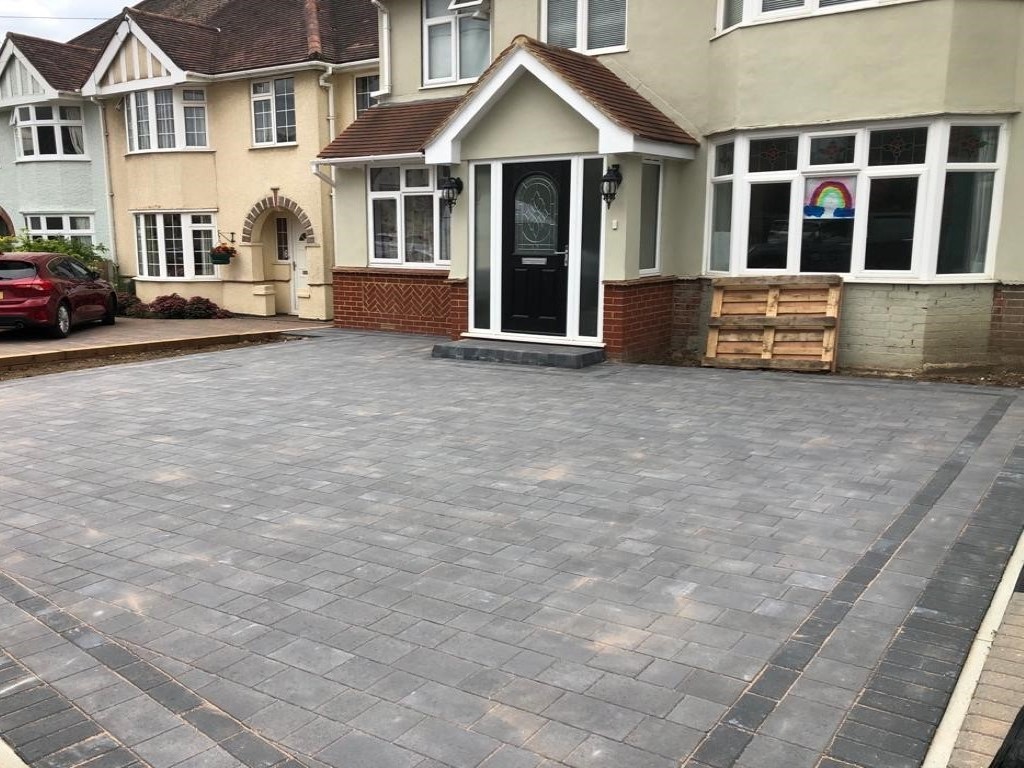
Permeable block paving remains the most popular choice I install. The blocks allow water to drain through joints filled with kiln dried sand or specialist pointing compounds. Pattern imprinted concrete with drainage channels works well for larger driveways.
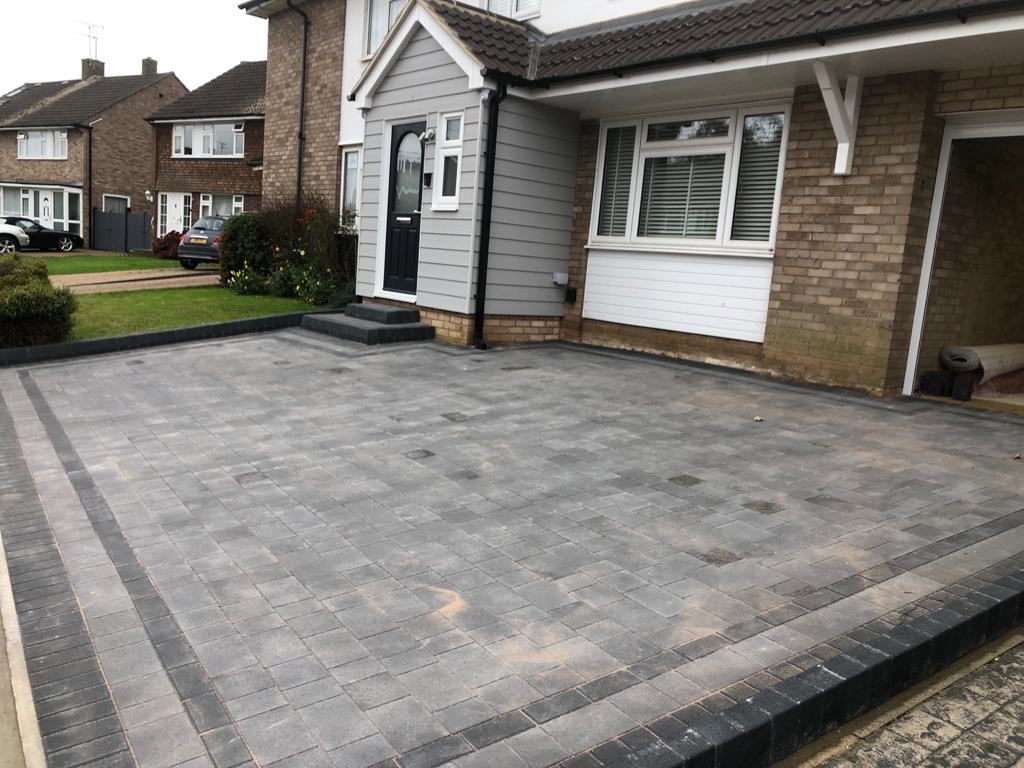
Gravel driveways naturally handle drainage, but you need a proper sub-base and edge restraints. Resin bound surfaces look smart and drain effectively, though they cost more than traditional options.
Drainage Solutions for Impermeable Surfaces
Block paving and tarmac require alternative drainage methods. Soakaways work well in Norwich’s clay soil if properly sized and constructed. I typically dig test holes first to check soil permeability and groundwater levels.
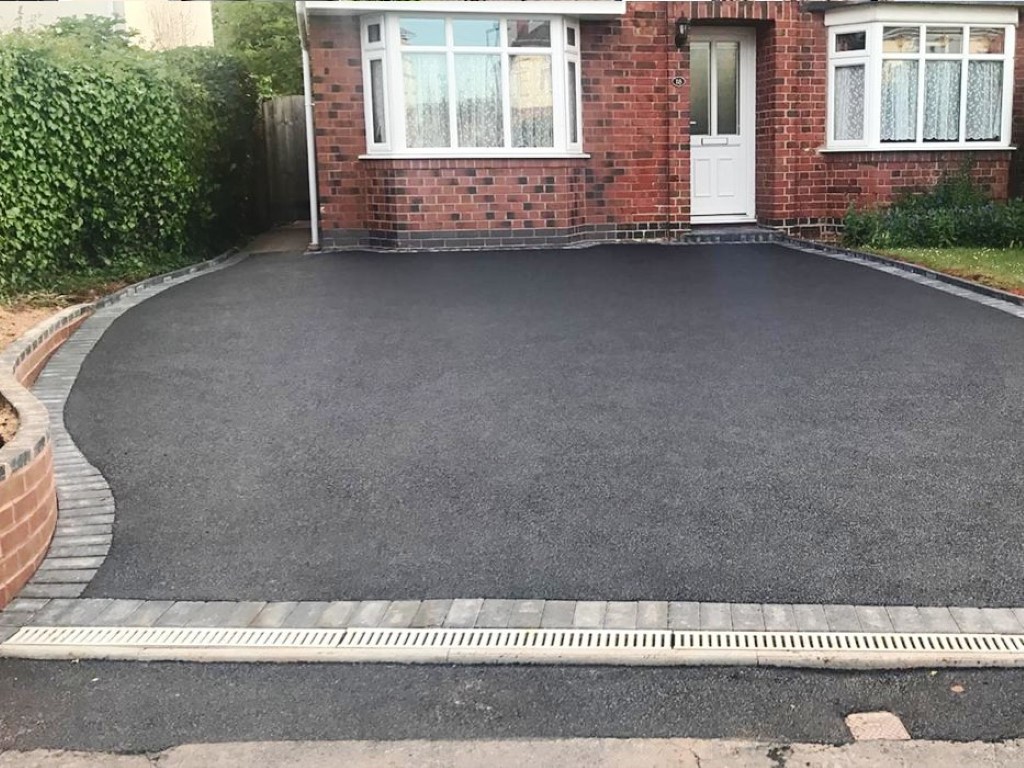
French drains can redirect water to planted areas or existing drainage systems. Channel drains along the driveway edge collect surface water before it reaches boundaries. Some properties need pumped drainage systems where natural drainage fails.
- Soakaways must be at least five metres from buildings
- French drains need 150mm minimum depth with proper gradients
- Channel drains require regular maintenance to prevent blockages
- Pumped systems need electrical connections and ongoing servicing
Every Norwich property has different drainage challenges. Clay soil, existing underground services, and neighbouring boundaries all affect your options. Getting the drainage wrong means costly remedial work later, so proper assessment upfront saves money and hassle.